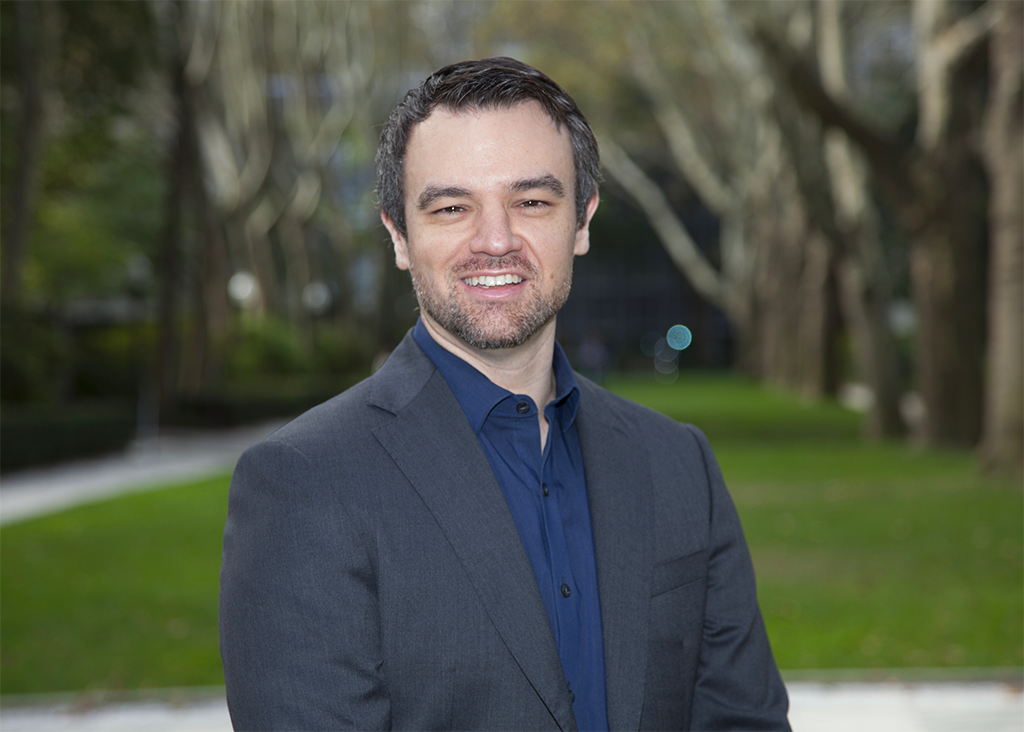
Anthony Carvalloza is the Chief Information Officer, Director of the Data Science Platform, and Director of the Fisher Artificial Intelligence Platform at The Rockefeller University.
Anthony received his bachelor's degree in information sciences, magna cum laude, from Syracuse University. He was intrigued early on by algorithms and their use in cryptography. While interning at Organon Inc., a pharmaceutical company in New Jersey, Anthony became interested in how computational approaches could be applied to advance biomedicine. After graduating, Anthony accepted a position at Merck Research Labs in Rahway, NJ. He was at Merck for nearly five years, during which time he was promoted to Senior System Analyst.
In 2004, Anthony accepted a position as Lead Informatics Systems Analyst at the newly formed Florida campus of The Scripps Research Institute (TSRI). As one of the first employees of the institution, he helped develop the initial computing and software infrastructure that supported a new model of integrated translational research within an academic research university. Eventually, Anthony was promoted to Director of Informatics and Information Technology, in which he formed the institution's first bioinformatics core, and assumed responsibility for the high performance computing and software engineering efforts across both TSRI campuses, in addition to the IT operations for the Florida campus.
Anthony joined The Rockefeller University in May of 2015. At Rockefeller he is leveraging Rockefeller's IT infrastructure through the recently formed High-Performance Computing Center (2016) and the new Bioinformatics Resource Group (2017). This is enabling him to create an environment that increases the University's knowledge, resources and capabilities in the data sciences and gives our scientists access to the infrastructure, tools, and expertise that support and enhance their visionary research.
Anthony has published multiple peer-reviewed scientific and technical manuscripts and book chapters, and has served on the board of directors of several organizations, including the South Florida Technology Alliance.
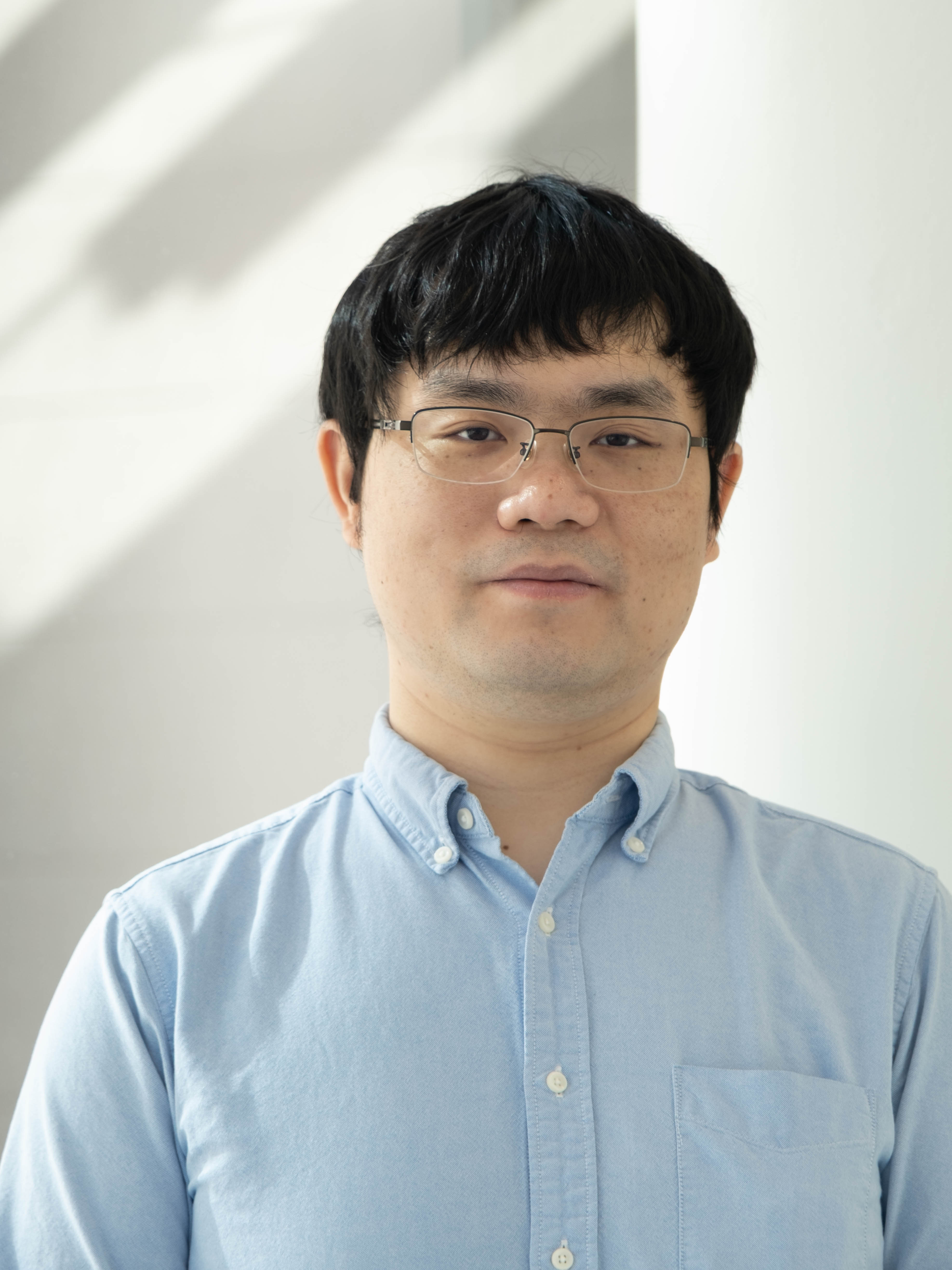
I completed my PhD studies at the Multimedia Laboratory of The Chinese University of Hong Kong in 2025 under the supervision of Prof. Hongsheng Li and Prof. Xiaogang Wang. My main research interests are Deep Learning for Computer Vision applications, Natural Language Processing, Video Recognition, Self-supervised Learning and Multi-modal Large Language Models.
[1] SPHINX: A Mixer of Weights, Visual Embeddings and Image Scales for Multi-modal Large Language Models Ziyi Lin*, Dongyang Liu*, Renrui Zhang*, Peng Gao*, Longtian Qiu*, Han Xiao, Han Qiu, Wenqi Shao, Keqin Chen, Jiaming Han, Siyuan Huang, Yichi Zhang, Xuming He, Yu Qiao, Hongsheng Li European Conference on Computer Vision, 2024
[2] Mimic before reconstruct: Enhancing masked autoencoders with feature mimicking Peng Gao*, Ziyi Lin*, Renrui Zhang, Rongyao Fang, Hongyang Li, Hongsheng Li, Yu Qiao International Journal of Computer Vision, 2024
[3] Retrieving-to-answer: Zero-shot video question answering with frozen large language models Junting Pan*, Ziyi Lin*, Yuying Ge, Xiatian Zhu, Renrui Zhang, Yi Wang, Yu Qiao, Hongsheng Li International Conference on Computer Vision (Workshop), 2023
[4] ST-Adapter: Parameter-Efficient Image-to-Video Transfer Learning Junting Pan*, Ziyi Lin*, Xiatian Zhu, Jing Shao, Hongsheng Li Advances in Neural Information Processing Systems, 2022
[5] Frozen clip models are efficient video learners Ziyi Lin, Shijie Geng, Renrui Zhang, Peng Gao, Gerard de Melo, Xiaogang Wang, Jifeng Dai, Yu Qiao, Hongsheng Li European Conference on Computer Vision, 2022
More publications can be found here .
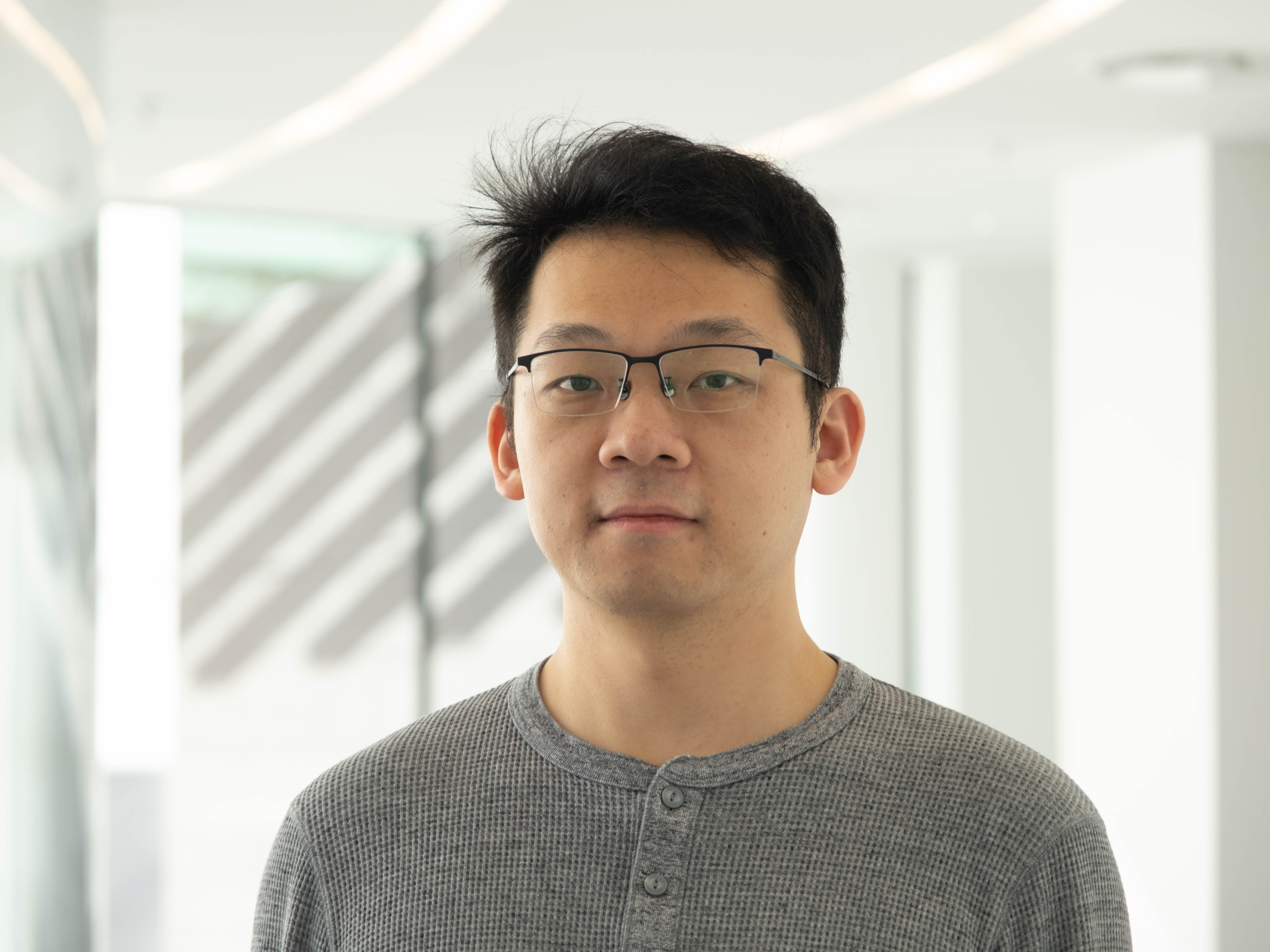
I completed my PhD in Mathematics at the University of Houston. During my PhD, I mainly focused on integrating model-based and learning-based strategies for Computational Imaging and Biomedical Image Analysis. By integrating conventional model-based techniques, such as compressive sensing and wavelets, with deep learning models, I aimed to improve theoretical understanding and enhance the interpretability of deep learning in practical applications.
[1] MIRE: Matched Implicit Neural Representations. Jayasundara, D., Zhao, H., Labate, D., Patel, V., In: The IEEE/CVF Conference on Computer Vision and Pattern Recognition (CVPR 2025).
[2] PIN: Prolate Spheroidal Wave Function-based Implicit Neural Representations. Jayasundara, D., Zhao, H., Labate, D., Patel, V. The Thirteenth International Conference on Learning Representations (ICLR 2025).
[3] Integration of Model- and Learning-Based Methods in Image Restoration. Labate, D., Zhao, H. RICAM series on “Data-driven models in inverse problems” (2024)
[4] Blind Image Inpainting with Sparse Directional Filter Dictionaries for Lightweight CNNs. Schmalfuss, J., Scheurer, E., Zhao, H., Karantzas, N., Bruhn, A., Labate, D. Journal of Mathematical Imaging and Vision (2022).
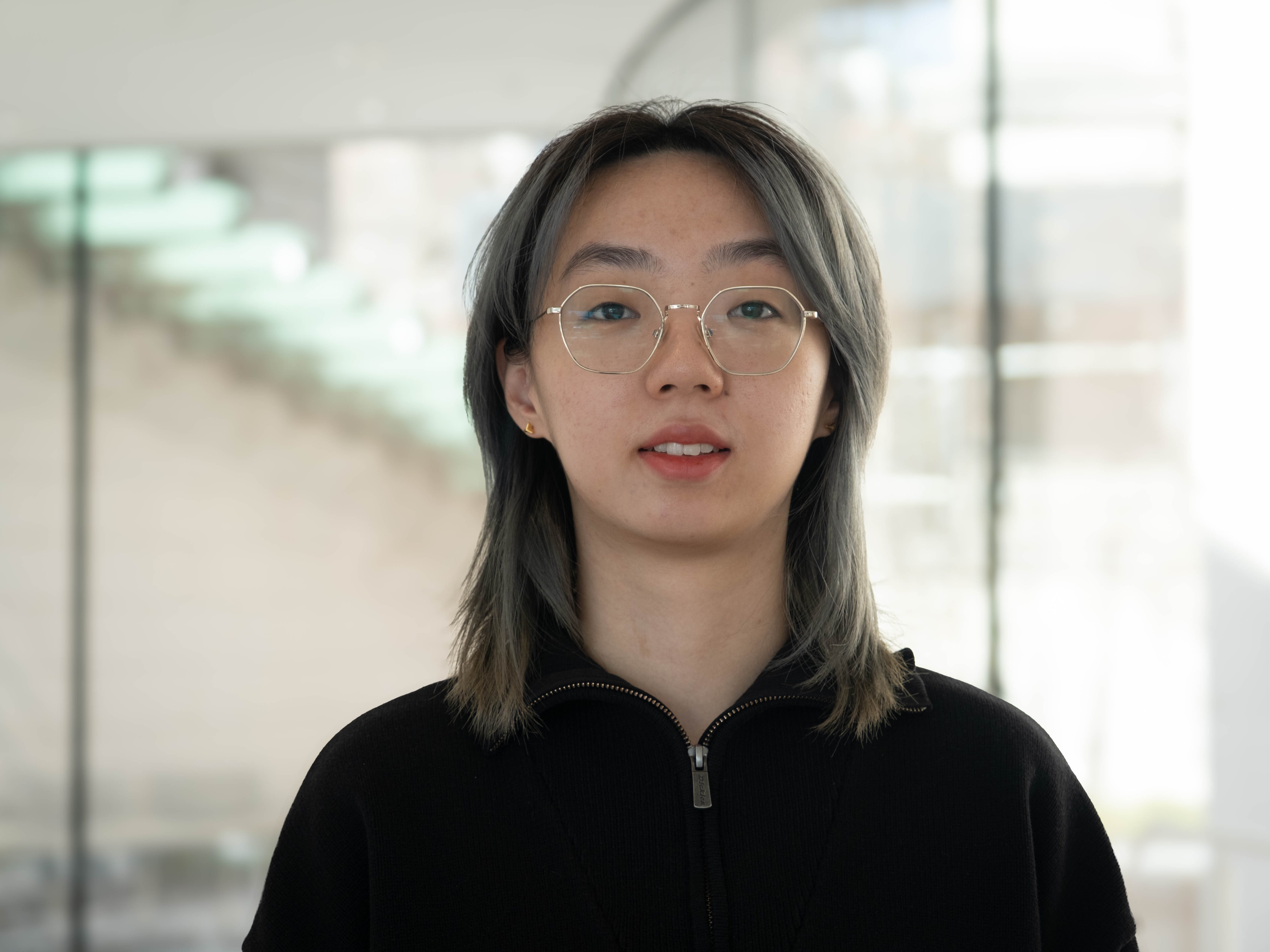
I received my M.S. and B.S. from the University of Pennsylvania and the University of Minnesota. My current research focuses on real-time animal tracking and pose estimation for laboratory animals. I'm also interested in machine learning applications in Alzheimer's disease research.
[1] Xu, J., Wei, T., Hou, B., Orzechowski, P., Yang, S., Demiris, G., Shen, L. MentalGPT: Harnessing AI for Compassionate Mental Health Support. AMIA 2024 Symposium.
[2] Xu, J., Wei, T., Hou, B., Demiris, G., Shen, L. Revolutionizing Dementia Care: Enhancing Talk Therapy with Fine-Tuned Large Language Models Using GPT Self-Generated Data. AAIC 2024.
[3] Wei, T., Yang, S., Tarzanagh, D. A., Bao, J., Xu, J., Orzechowski, P., Wagenaar, J. B., Long, Q., Shen, L. Clustering Alzheimer’s Disease Subtypes via Similarity Learning and Graph Diffusion. International Conference on Intelligent Biology and Medicine (ICIBM). Tampa, FL, July 2023.
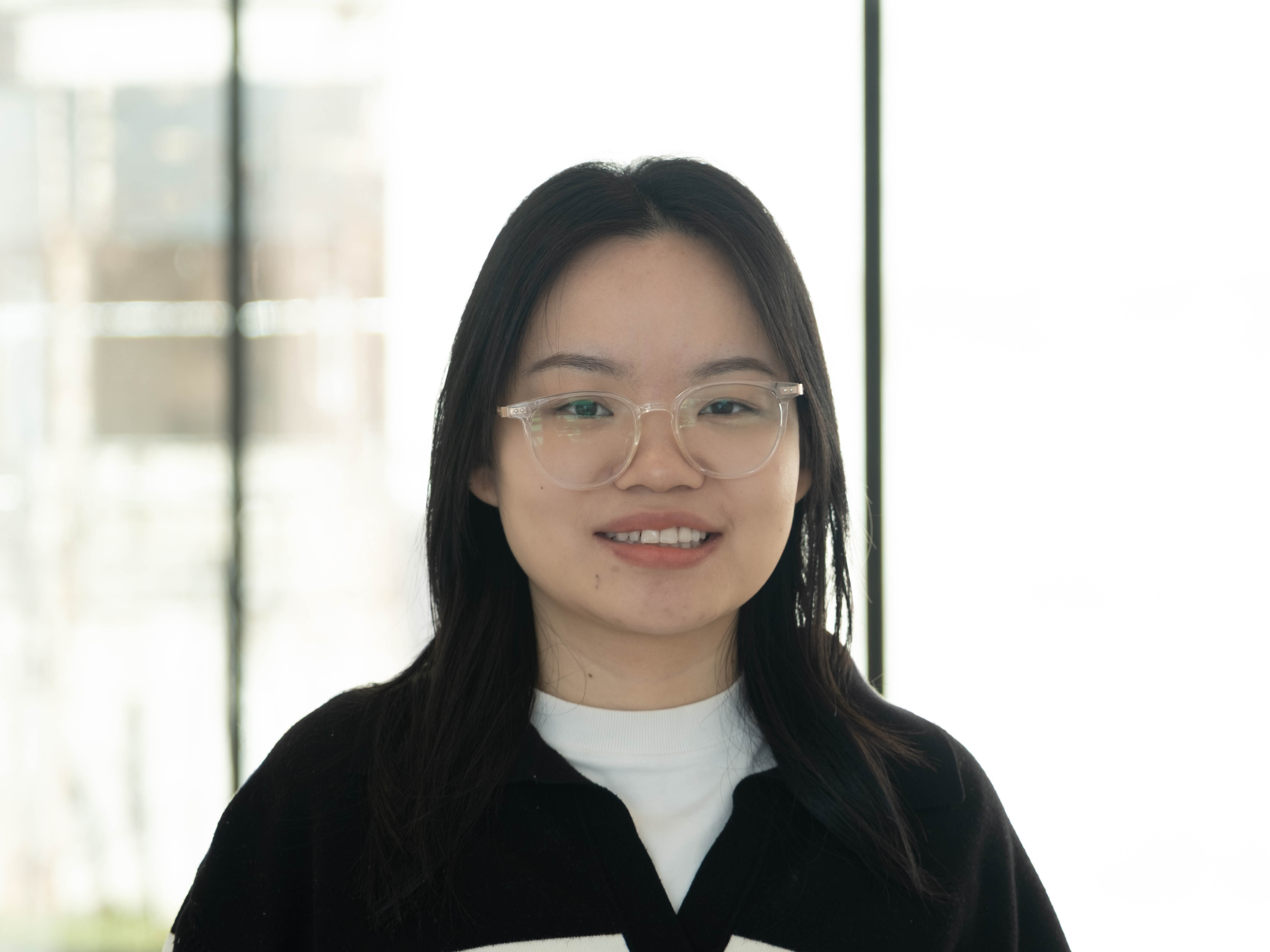
My name is Yuejia Yin. I graduated from New York University (M.S.) and East China Normal University (B.S.). My research interests focus on applying machine learning techniques to medical and biological image analysis. Currently working with Heintz/ Murakami on 3D gene cell segmentation for the whole brain through computer vision. I am also interested in medical image segmentation for the 3D MRI segment. I am also interested in neural signals and worked on electrodermal signals for human emotions.
Xie, Y, Yin, Y. and Wang, Y., Deep Mutual Distillation for Semi-supervised Medical Image Segmentation, MICCAI 2023